
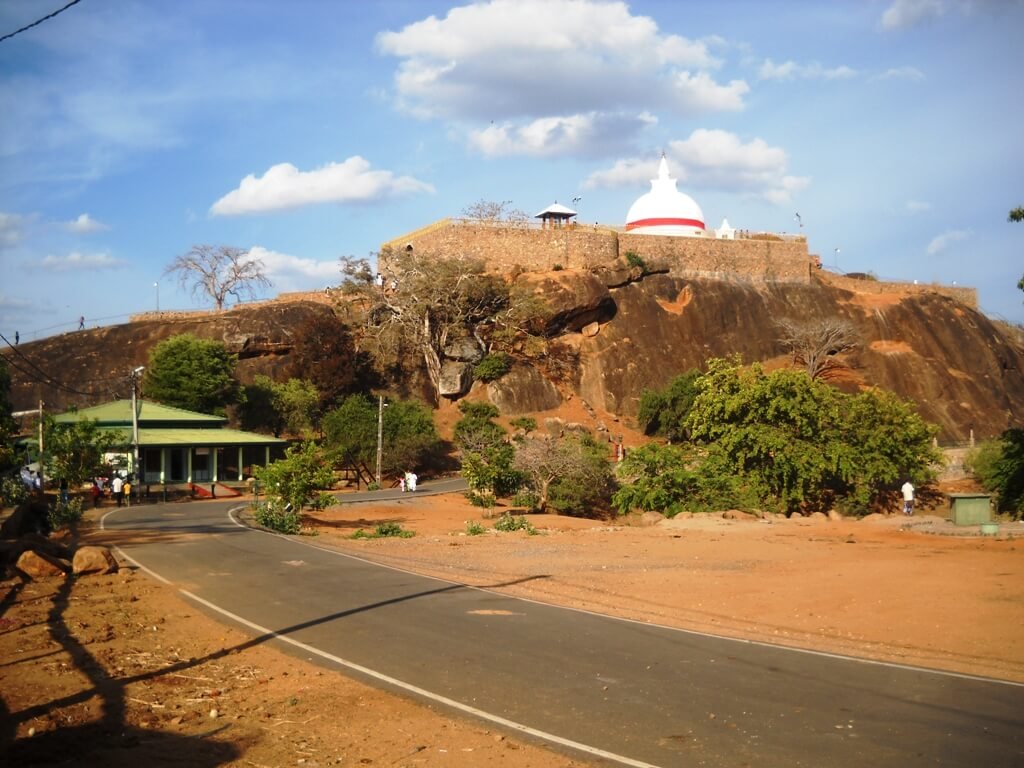
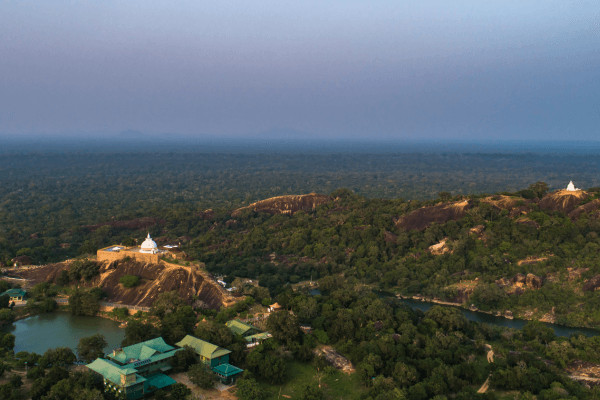
Ancient Sithulpahuwa Monastery is a remarkable archaeological site located inside Yala National Park, renowned for its rock-cut monastic complexes carved on a massive granite outcrop. This tranquil monastery served as a meditation retreat for Buddhist monks over 2,000 years ago. Visitors can explore intricately crafted caves, stunning inscriptions, and scenic vistas enveloped by vibrant flora and fauna unique to the region.
Explore ancient chambers carved into granite with drip ledges designed for rain protection, showcasing craftsmanship from over 2,000 years ago.
View Brahmi script inscriptions that provide valuable historical records and insights into monastic life
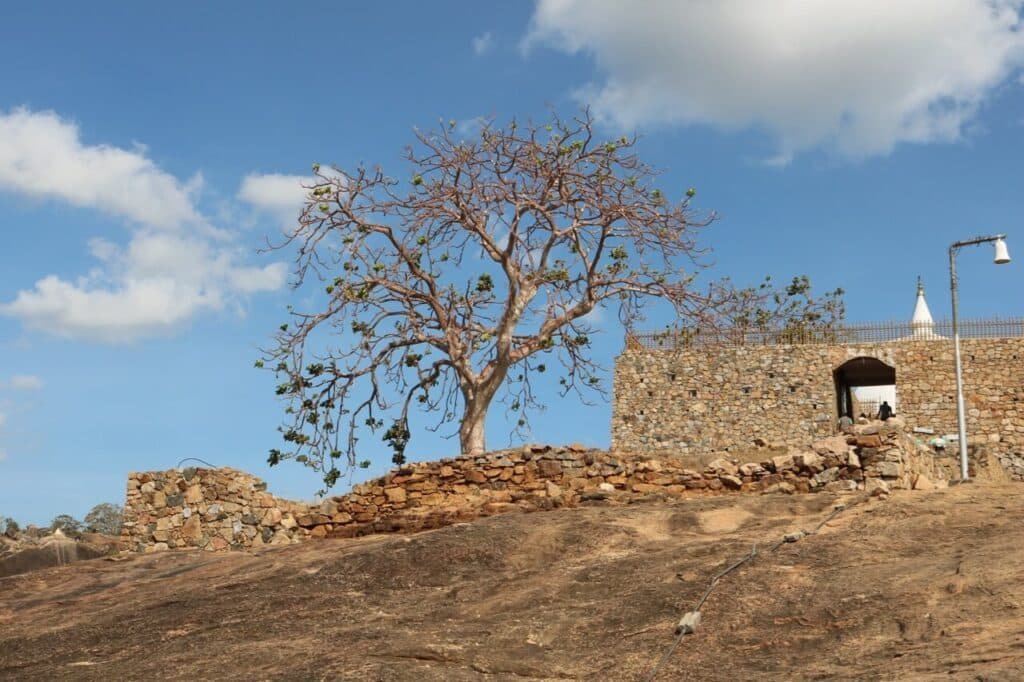
Discover the original remnants of a small stupa, indicative of the sacred nature of the site.
Enjoy spectacular views of the surrounding Yala wilderness, blending cultural history with natural beauty.
Opportunity to observe bird species and small animals inhabiting the protected area around the monastery.
Yala, Hambantota District, Southern Province
Approximately 50 meters above sea level
6:00 AM – 6:00 PM daily
Early morning or late afternoon; Dry season: January to April
1.5 – 2 hours
Moderate (some climbing and walking on uneven rock surfaces)
Limited wheelchair access due to rocky terrain and stairs
Established during the Anuradhapura period as a meditation retreat for Buddhist monks seeking solitude and spiritual development.
Flourished between the 3rd century BCE and the 10th century CE, reflecting the expansion of monastic Buddhism in Sri Lanka.
While no direct historical figures are documented here, it reflects the legacy of ancient Buddhist kings and monks promoting monastic life.
An important Theravāda Buddhist heritage site symbolizing monastic discipline and meditation practices central to Sri Lankan Buddhism.
Locals pay respect through offerings and occasional religious rituals, particularly during Poya (full moon) days
Represents spiritual perseverance, harmony with nature, and the long-standing Buddhist tradition in Sri Lankan culture.
Ancient Sithulpahuwa Monastery dates back to the Anuradhapura period (3rd century BCE to 10th century CE), when it functioned as a secluded meditation center for Buddhist monks. The site is carved out of a prominent granite rock called Sithulpahuwa, featuring rock-cut drip-ledge caves, stone inscriptions, and a large stupa foundation. These caves provided shelter and meditative privacy for monks following strict ascetic practices.
Architecturally, Sithulpahuwa is notable for its natural integration with the granite landscape; carved drip ledges prevent rainwater from entering the dwellings, showcasing ancient Sri Lankan innovative rock architecture. The serene atmosphere is punctuated by surrounding wildlife sounds and breathtaking views over the Yala plains, inviting contemplative reflection.
Culturally, the monastery represents the continuity of Theravāda Buddhism in Sri Lanka and is still revered by locals as a symbol of spiritual dedication. Visitors can experience a palpable sense of history and tranquility, making it an authentic, immersive encounter with Sri Lanka’s monastic past.
Visiting during the dry season, from January to April, offers optimal weather with less humidity and minimal rainfall, ensuring safe and comfortable exploration. The monsoon season (May to September) can bring heavy rains, making rock surfaces slippery and potentially hazardous. Fewer visitors come during the off-season, providing a more peaceful experience with unobstructed access to the site.
Children over 8 years old can enjoy the site with supervision, but caution is required due to uneven, rocky surfaces and some climbing involved.
A visit typically takes 1.5 to 2 hours, allowing time to explore the caves, inscriptions, and enjoy the views comfortably.
Access is limited for visitors with mobility impairments due to terrain and stairs, and there are no specialized facilities on-site.
It is possible but not recommended; slippery rocks and heavy rain can pose safety risks.
Yes, local guides provide in-depth explanations of the site’s history, inscriptions, and cultural significance upon request.
Entry is free to the Sithulpahuwa Monastery site; however, Yala National Park access may require permits if visiting via the park.
Modest dress is recommended out of respect for the religious site—covering shoulders and knees. Comfortable walking shoes with good grip are advisable.
No results available