Bundala Lagoon, located in southern Sri Lanka, is an essential haven for birdwatchers seeking rare and migratory species. This Ramsar wetland site presents a rich mosaic of water bodies and saline flats where over 200 bird species, including flamingos and pelicans, can be observed in their natural habitat. The tranquil surroundings and diverse ecosystems offer an immersive wildlife experience away from crowded tourist spots.
Iconic migratory birds with striking pink plumage, arriving between November and March.
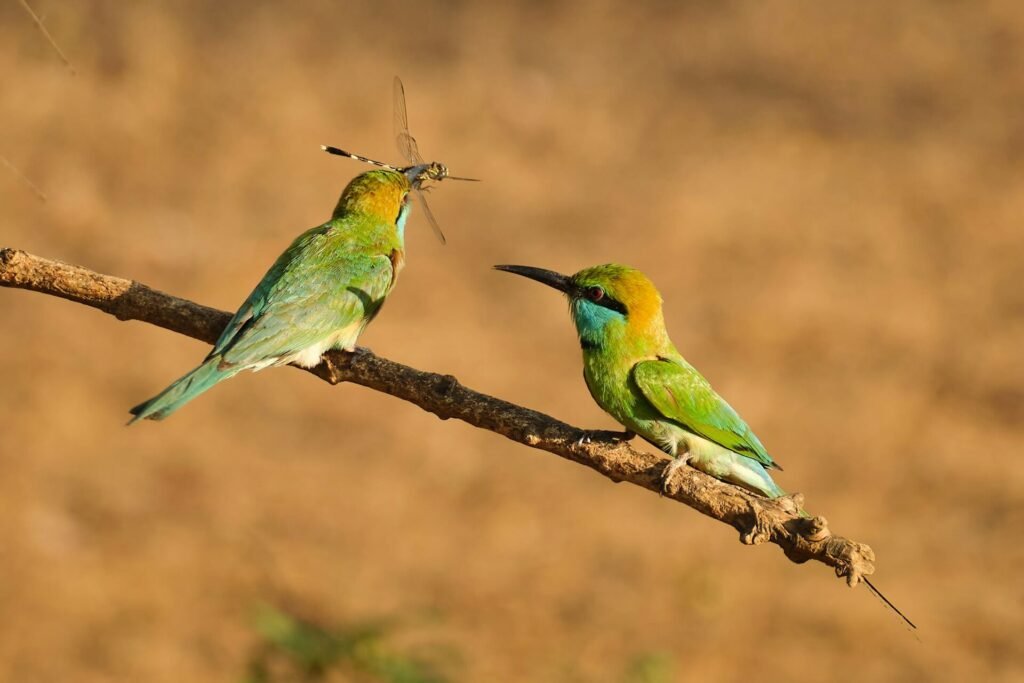
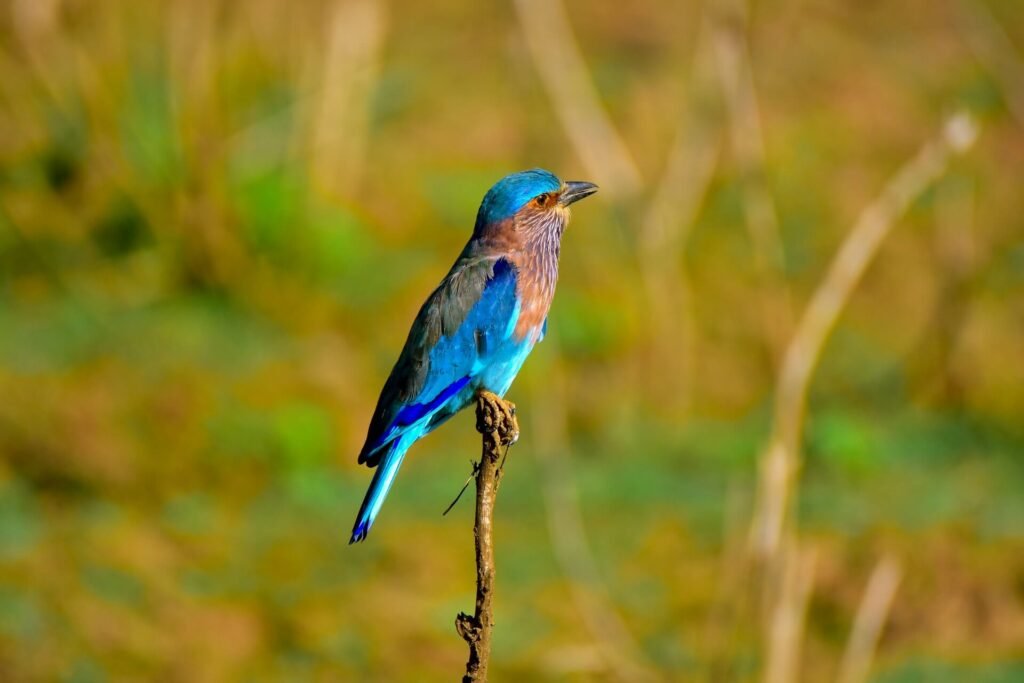
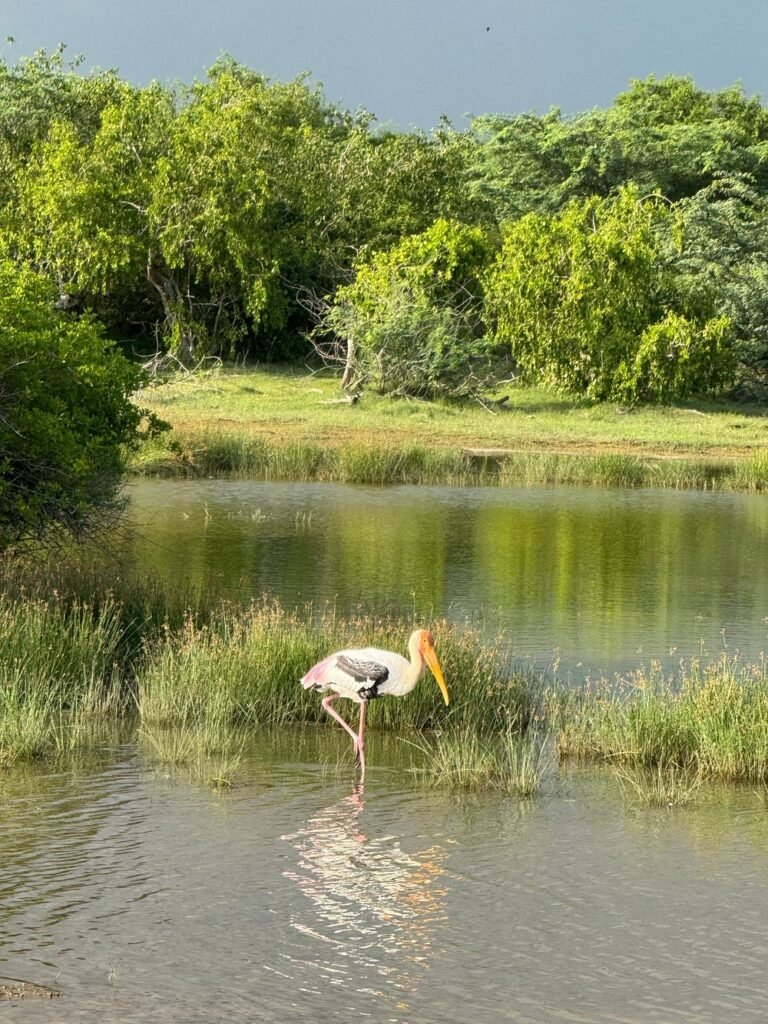
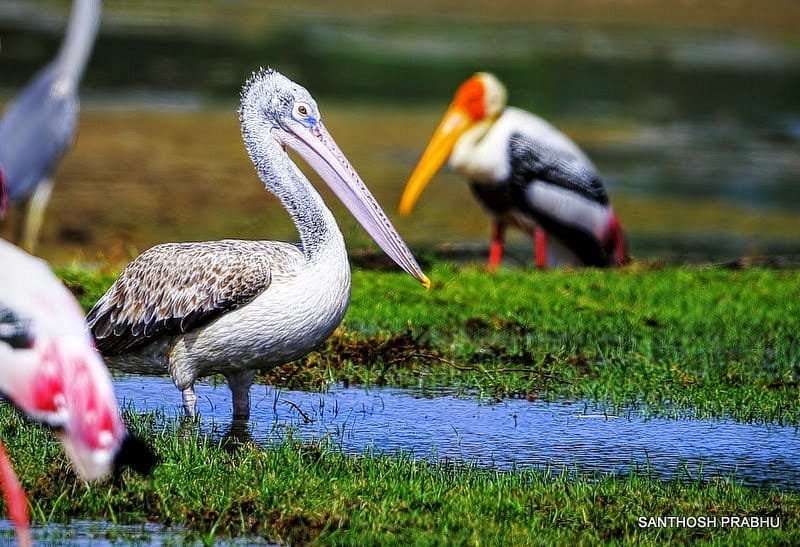
Large, colorful wading birds often spotted in shallow waters feeding.
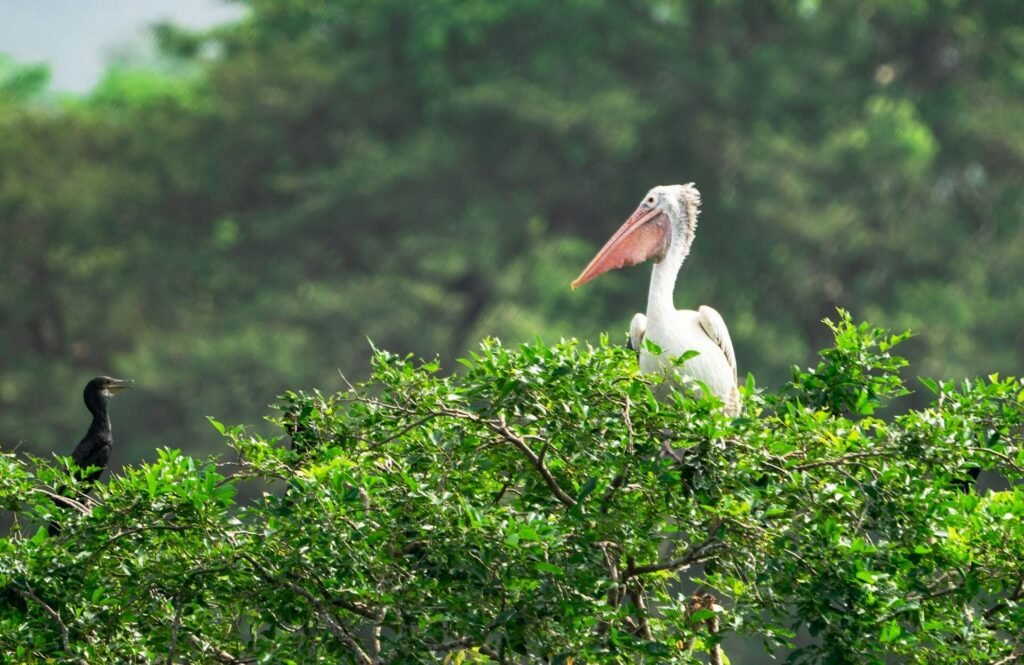
Known for their unique bill shape, commonly seen in Bundala’s wetlands.
Occasionally observed from a safe distance in the lagoon’s mangrove areas.
Guided boat rides provide close-up views of birds and aquatic life in the lagoon.
Designated paths ideal for exploring on foot with observation points for photographers.
Bundala, Hambantota District, Southern Province
Approximately 5 meters above sea level
06:00 AM – 6:00 PM daily
Early mornings (6:00 AM – 9:00 AM), November to April (dry season)
2.5 to 4 hours
Easy
Limited wheelchair access, terrain includes some uneven paths and wetlands; best accessed with assistance
Bundala Lagoon’s importance was recognized in the late 20th century when conservationists sought to protect this vital wetland ecosystem.
The region gained national park status in 1993 and Ramsar recognition in 1993, underscoring its global ecological relevance.
Conservationists such as Dr. Senarat Paranavitana contributed to wildlife protection efforts in southern Sri Lanka.
No direct religious association, but local communities respect the lagoon’s biodiversity as part of the natural environment linked to their livelihoods
Fishing communities nearby practice sustainable fishing methods aligned with seasonal bird migrations.
Bundala represents Sri Lanka’s ecological richness and commitment to preserving migratory bird habitats.
Bundala Lagoon was officially designated as a National Park in 1993 and later listed as a Ramsar Wetland of International Importance. Its origin as a natural coastal lagoon created a haven for birdlife, especially migratory waterfowl travelling from as far as Siberia and the Arctic. The park’s mosaic of salt pans, freshwater tanks, mangroves, and dry scrublands forms a unique ecological tapestry supporting diverse species.
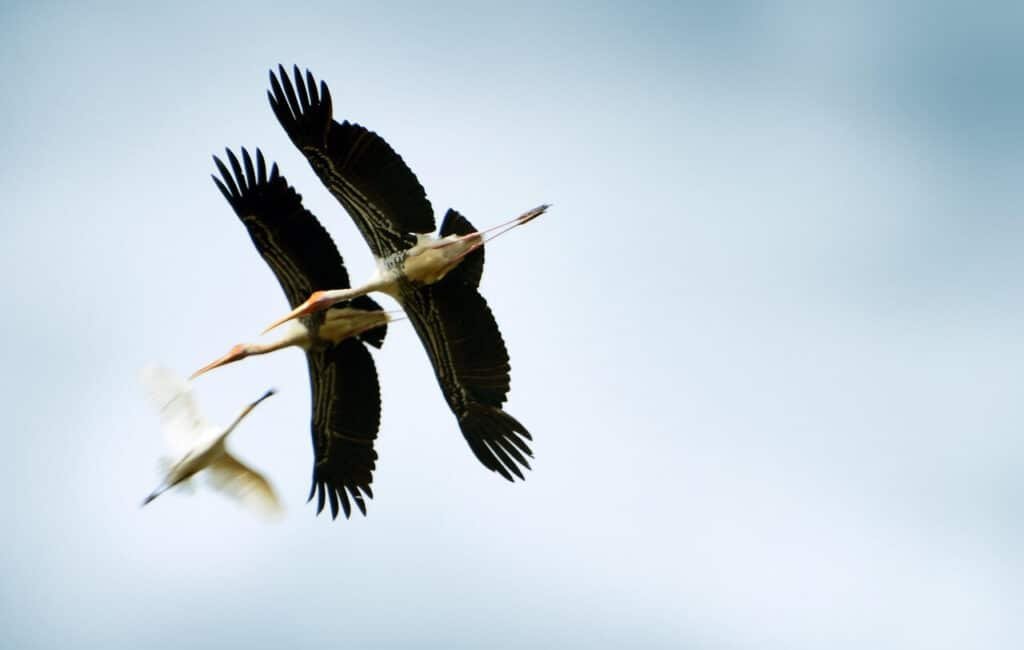
Culturally, Bundala is important to local communities for sustainable fishing, though conservation efforts have steadily reduced human disturbance. Visitors experience peaceful boat rides and guided walks, witnessing flocks of Greater Flamingos and Painted Storks gliding over shimmering waters. The sensory atmosphere combines bird calls, gentle water lapping, and fresh ocean breezes, offering a rare connection to Sri Lanka’s natural heritage. The diverse bird species and pristine environment make Bundala Lagoon a sanctuary of authentic ecological significance.
Bundala experiences its highest bird populations during the dry northeast monsoon period from **November to April**, when migratory species arrive in large numbers. Visiting in this peak season guarantees optimal birdwatching opportunities but can be busier. The **off-season (May to October)** is quieter, allowing visitors a more solitary experience, though some migratory species may be absent, and occasional rains may restrict some activities.
Yes, Bundala Lagoon is family-friendly, though children under 6 should be supervised due to uneven terrain and proximity to water. Birdwatching can be educational and enjoyable for all ages.
Visitors typically spend 2.5 to 4 hours to fully appreciate the birdlife and natural surroundings. Early morning visits maximize sightings.
Accessibility is limited; pathways can be muddy or uneven. Some assistance may be required for wheelchair users. Contact the park office in advance for support options.
The southwest monsoon (May to September) brings heavy rains, making some trails difficult to access. Visiting during the dry season (November to April) offers better conditions.
Hiring a local guide is highly recommended to identify bird species accurately and navigate the park effectively.
Drone use is prohibited to avoid disturbing wildlife.
No results available