
The Colombo National Museum is Sri Lanka’s largest museum, showcasing an extensive collection of artifacts that narrate the island’s vibrant history and diverse cultures. Located in the heart of Colombo, it offers visitors a captivating journey through ancient kingdoms, colonial eras, and traditional arts, making it an essential destination for those seeking an authentic cultural experience.
Exhibits royal costumes, jewelry, and ceremonial objects from the last Kandyan monarchy, reflecting Sri Lanka’s regal heritage.
Displays stone inscriptions, ancient coins, and relics dating back thousands of years, revealing aspects of everyday life and governance in ancient Sri Lanka.
Showcases traditional masks, pottery, and musical instruments, emphasizing the island’s diverse cultural traditions.
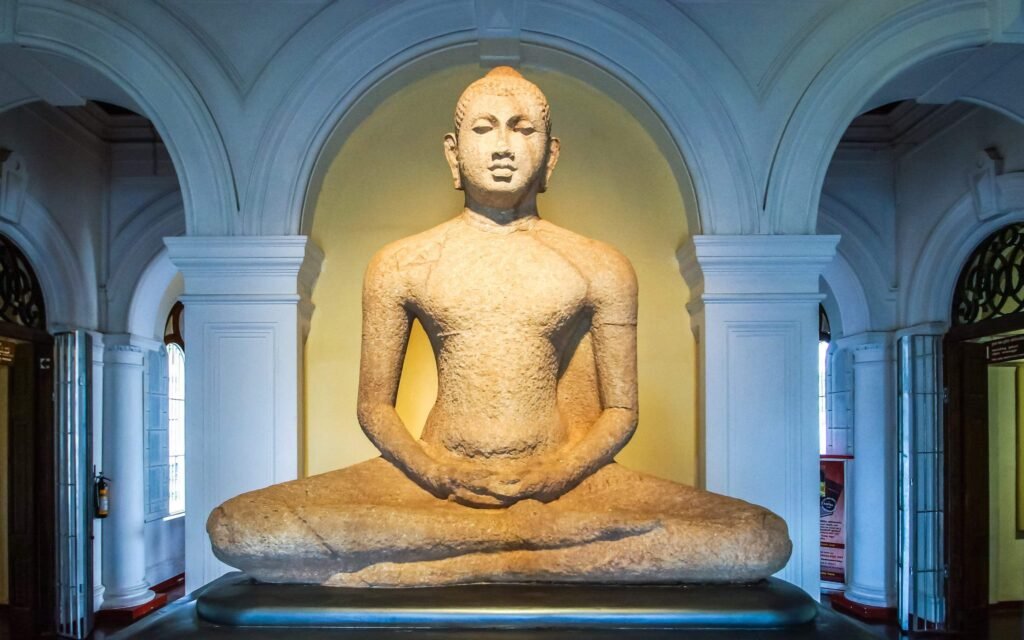
Houses relic caskets, statues, and artifacts that narrate the Buddhist influence on Sri Lankan society.
Features classical and contemporary Sri Lankan paintings, including works by celebrated local artists.
Colombo, Western Province
Approximately 6 meters above sea level
Daily, 9:00 AM – 5:00 PM
Morning hours for cooler temperatures; November to April for dry weather
2 to 3 hours
Easy
| Wheelchair accessible ramps available; limited assistance within some galleries
Founded in 1877 to preserve and archive Sri Lanka’s cultural and historical artifacts during British colonial rule.
Exhibits span from prehistoric times, through the Anuradhapura and Polonnaruwa kingdoms, colonial epochs (Portuguese, Dutch, British), up to the modern independence era.
Sir William Henry Gregory, the museum’s first director; kings from ancient Sri Lanka such as King Dutugemunu and the Kandyan monarchs represented in regalia
Contains numerous Buddhist relics emphasizing the influence of Buddhism in Sri Lankan cultural identity.
The museum plays a role during cultural festivities by showcasing traditional arts and crafts.
Represents the unity and diversity of Sri Lanka’s heritage, promoting national pride and educational value.
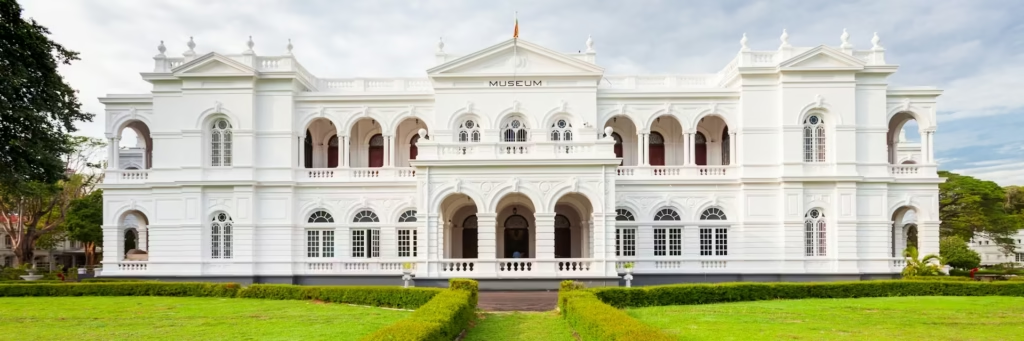
Established in 1877 by Sir William Henry Gregory, the Colombo National Museum stands as a beacon of Sri Lanka’s cultural preservation. Designed by British architect James George Smither, its colonial neoclassical architecture incorporates grand Corinthian columns and ornate interiors, reflecting the era’s stylistic influences. The museum is home to over 45,000 items, including ancient relics, royal regalia, traditional costumes, weapons, and Buddhist artifacts, many of which illuminate the island’s pre-colonial and colonial histories.
The museum’s cultural significance lies in its role as a guardian of national identity, displaying artifacts that represent the island’s diverse ethnic groups and religions. Visitors can experience a tranquil atmosphere, enriched by the lush well-maintained gardens that encircle the museum building, providing a peaceful contrast to Colombo’s urban environment.
What distinguishes the National Museum is its comprehensive narrative of Sri Lankan civilization, from prehistoric times through to independence. The sight of the exquisite throne of the last Kandyan king and intricate stone carvings offers a tangible connection to Sri Lanka’s regal past. The attentive display and informative plaques ensure an educational and immersive experience, valuable to history enthusiasts and casual visitors alike.
Seasonal Considerations
Peak season
December to April, coinciding with the dry season and international tourism build-up. Visitors will experience more crowding but optimal weather.
Off-season advantages
May to September offers quieter galleries and more personal engagement with exhibits despite occasional rain showers; indoor setting ensures all-weather accessibility.
Yes, the museum is educational and suitable for children aged 7 and above who can appreciate historical stories and artifacts. Interactive tours and school group visits are common.
Plan 2 to 3 hours for a comprehensive visit. History enthusiasts may spend longer exploring detailed exhibits.
Ramps are available at the entrance, and wheelchair access is generally possible. However, some galleries may have uneven floors or steps, so assistance might be needed.
Yes, as the museum is indoors, it can be visited year-round. Monsoon months (May to September) may have heavy rain, but the museum remains open and comfortable.
Photography is allowed in most areas but without flash to protect artifacts. Videography may require prior permission.
Yes, adult foreign visitors: LKR 1,500 (~USD 4.5), children under 12: free. Local citizens enjoy nominal fees or free entry, please carry valid ID.
Guided tours in English and Sinhala can be arranged onsite or via prior booking, enhancing understanding of exhibits.
No results available