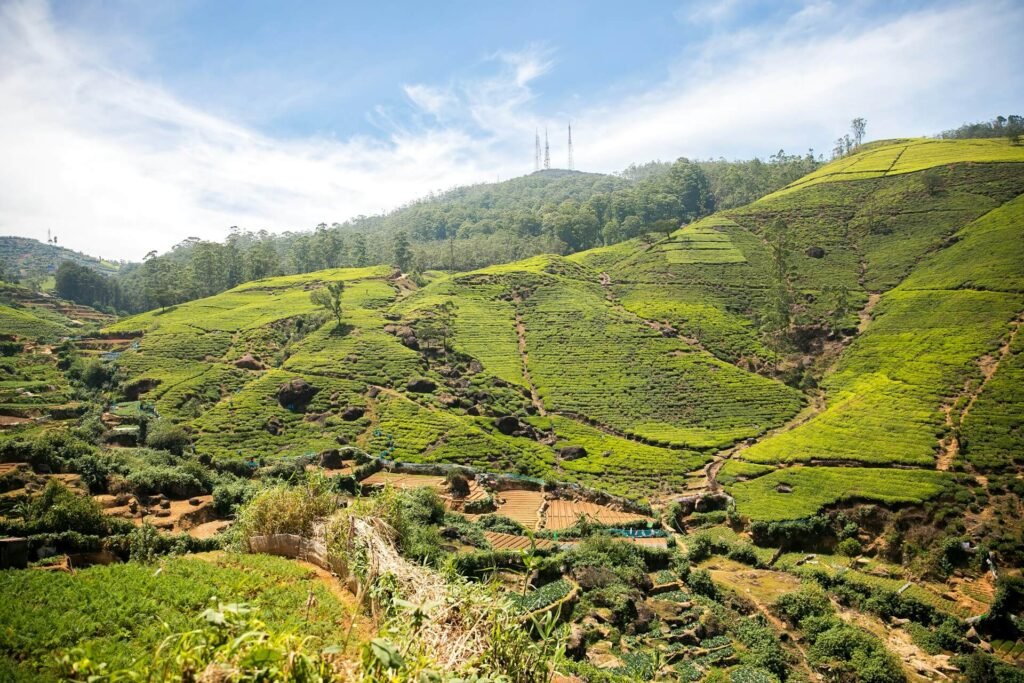
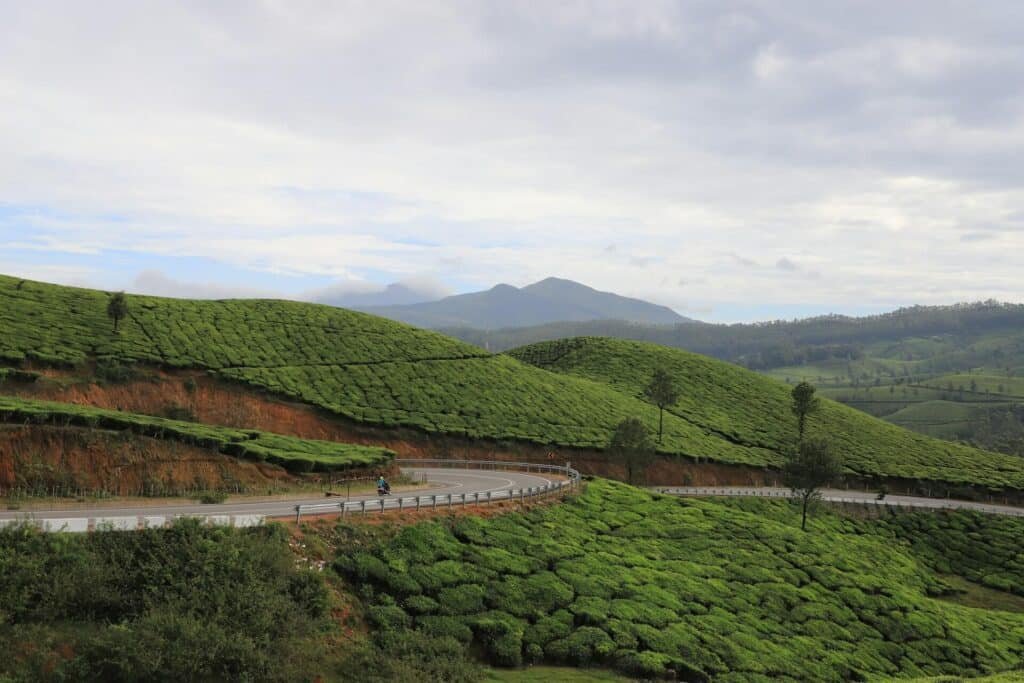
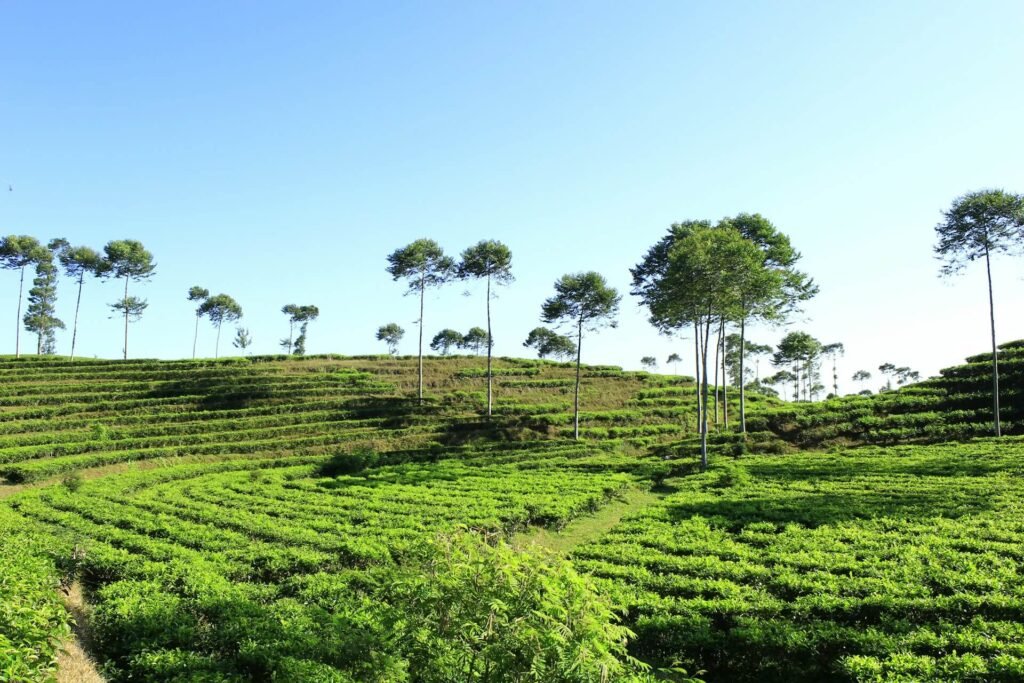
Nestled amidst rolling hills and misty mountains, tea plantation tours in Nuwara Eliya offer an immersive experience into Sri Lanka’s celebrated tea culture. Visitors witness the intricate process of tea cultivation, from plucking fresh leaves to final packaging, set against breathtaking landscapes. This authentic journey reveals the legacy of tea’s impact on local communities and global markets alike.
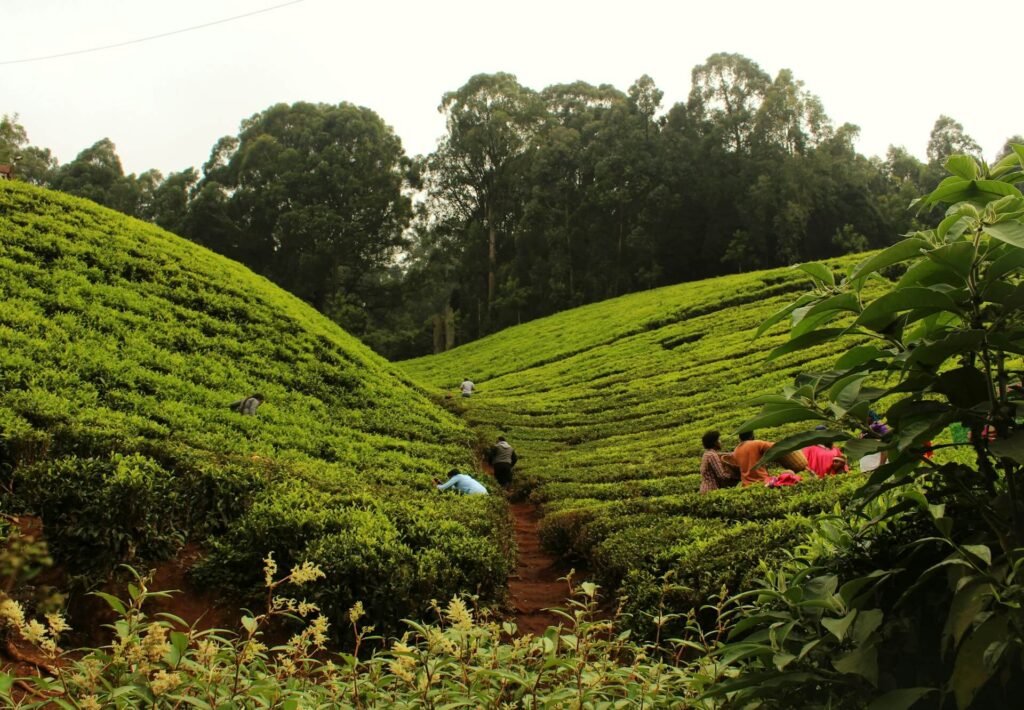
Observe skilled tea pluckers selecting the youngest leaves, gaining insight into sustainable harvesting practices.
Explore the stages of tea manufacture, from leaf withering to packaging, in a working factory preserving colonial architecture.
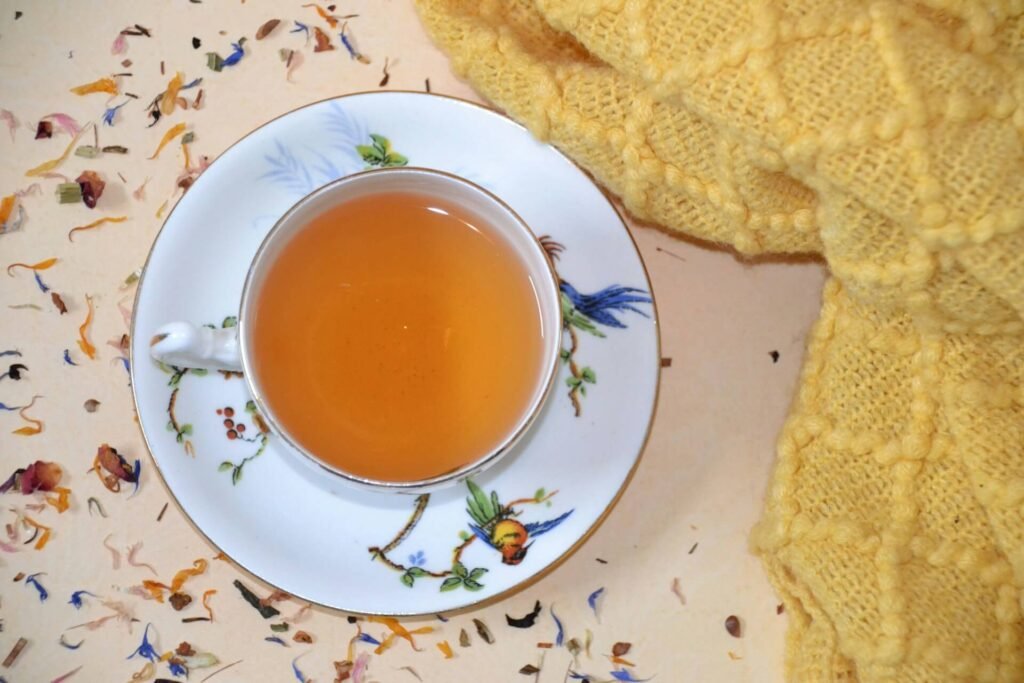
Sample different Ceylon teas, learning to identify subtle flavor profiles and aroma variations.
Wander the picturesque plantation trails amidst mountain vistas, capturing photography or simply breathing in the clean air.
Engage respectfully with local tea estate communities to understand their heritage and daily life.
Nuwara Eliya, Central Province
Approximately 1,868 meters above sea level
08:00 AM – 05:00 PM (daily)
Early morning to late afternoon; February to April and August to October for optimal weather
Easy
Limited wheelchair access; uneven terrain in fields – assistance recommended
Established in the mid-1800s after coffee plantations failed due to leaf rust disease.
British colonial expansion in the 19th century shaped the tea industry and estate system.
James Taylor, credited as the father of Ceylon tea, introduced modern tea cultivation techniques in 1867.
Though not religious, plantations reflect the socio-economic lifeblood of estate communities, many of whom practice Hinduism and Christianity.
Annual estate festivals and tea plucking ceremonies celebrate the harvest season with music and communal activities.
Tea plantations represent Sri Lanka’s resilience, global connection, and agricultural heritage.
Tea plantations in Nuwara Eliya date back to the British colonial era in the 19th century when tea replaced coffee crops following devastation from leaf disease. This region’s cool climate, elevated terrain, and fertile soil make it ideal for cultivating high-quality Ceylon tea, renowned globally for its distinct aroma and rich flavour. Expansive green terraces, manicured rows of tea bushes, and traditional colonial-era processing factories create an extraordinary landscape where history and agriculture converge.
Visitors delve into the tea-making process, starting with expert pluckers handpicking the tender leaves while maintaining sustainable harvesting standards. Guided tours typically include a walkthrough of withering, rolling, fermenting, drying, and sorting stages inside working factories. These demonstrations explain the chemistry of tea with fragrant aromas filling the air, enriched by the soft rustling of leaves.
The cultural fabric intertwined with tea reflects local labour heritage and craftsmanship, with many workers being descendants of Indian Tamil tea estate communities. Respectful interaction and understanding of this tradition add depth to the visit. The cool, refreshing mountain air and stunning panoramas offer a sensory respite, while tasting sessions introduce you to various tea grades.
What distinguishes these tours is the blend of natural beauty, education, and cultural immersion—offering a sincere, unembellished glimpse of one of Sri Lanka’s most revered exports.
Peak season: February to April and August to October, with clear skies and comfortable temperatures attracting more visitors.
Off-season advantages: May to July and November to January are quieter, offering tranquil tours and potential discounts though occasional rain may occur.
Yes, children above five years can enjoy the tours, especially the factory demonstrations and tasting sessions. Guided walks should be supervised due to uneven terrain.
Allocate 2 to 3 hours to cover the plantation tour, factory visit, and tea tasting at a relaxed pace.
Accessibility is limited; some estates have uneven paths and steps. It’s best to contact the tour provider in advance for specific arrangements.
Visits during the monsoon (May/June and October/November) are possible but be prepared for rain showers and muddy trails.
Practices vary; always ask for permission before photographing workers or factory interiors to respect privacy.
Yes, most plantations have shops offering freshly processed Ceylon tea, often at better prices than markets.
Yes, English-speaking guides are commonly available – booking in advance is recommended to ensure availability.
No results available